(504) 454-2165


If you’ve been told your fallopian tubes might be blocked, you may be feeling a lot at once. A tubal blockage is one of the most well-understood causes of infertility, and there are clear, well-established paths to pregnancy from here.
At the Fertility Institute of New Orleans (FINO), our team will help you understand the signs of blocked tubes, how hysterosalpingogram (HSG) testing works, and which treatment options fit your goals. We’ll be with you from your first test through every decision about building your family.
What Blocked Fallopian Tubes Mean for Your Fertility
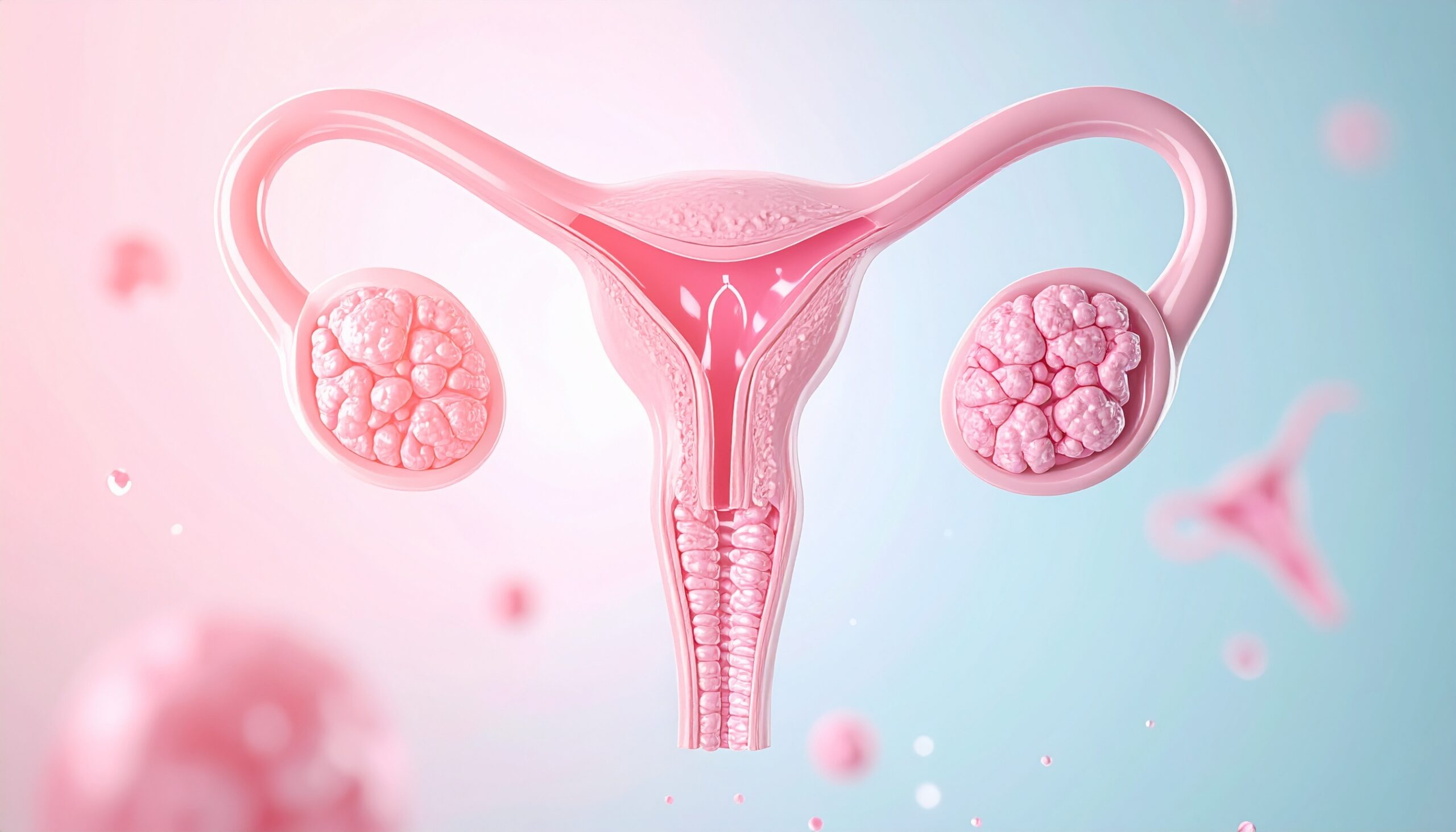
Your fallopian tubes connect your ovaries to your uterus and play a central part in conception. Each month, an egg travels from the ovary into a tube, sperm meet the egg inside the tube, and the resulting embryo travels through the tube to the uterus. A blocked fallopian tube can keep the egg and sperm from meeting or keep the embryo from reaching the uterus.
Tubal disease accounts for 25% to 35% of female factor infertility, according to the American Society for Reproductive Medicine (ASRM). Because blocked fallopian tubes are so common, fertility specialists understand them well and have established ways to treat them.
A blockage can take one of three forms:
- A proximal blockage, near where the tube meets the uterus
- A distal blockage, at the far end of the tube near the ovary
- A hydrosalpinx, where a blocked tube fills with fluid
Common Causes of a Tubal Blockage
A tubal blockage can develop for many reasons, and some people never learn which one applies to them. Common causes include:
- Pelvic inflammatory disease (PID), often from a sexually transmitted infection such as chlamydia or gonorrhea that went untreated
- Endometriosis
- Scar tissue from a previous abdominal or pelvic surgery
- A past ectopic pregnancy
- Tubal ligation
Many of these conditions develop without any symptoms, so there’s often no way to have known about a blockage sooner. Our team’s focus is always on your path forward.
Signs of Blocked Fallopian Tubes
Most people with blocked tubes have no symptoms at all, and difficulty getting pregnant is often the first sign. Some of the conditions behind a blockage can cause symptoms of their own, including:
- Painful periods, pelvic pain, or pain during sex, which can come with endometriosis or PID
- Lower abdominal pain or unusual vaginal discharge, which can come with a hydrosalpinx
If you’ve been trying to conceive, or if any of these symptoms sound familiar, a fertility evaluation is a helpful next step. Our fertility testing for women includes HSG imaging, which gives your provider a clear view of your fallopian tubes.
How an HSG Procedure Checks Your Fallopian Tubes
An HSG is a short x-ray exam that shows whether your fallopian tubes are open. According to ASRM’s HSG fact sheet, the HSG procedure is scheduled after your period ends and before you ovulate, and the exam takes approximately 5 minutes.
During your hysterosalpingogram, your provider will gently place a thin catheter through your cervix, fill your uterus with a contrast dye, and use x-ray imaging to see whether the dye flows through your tubes.
You may feel mild to moderate cramping that lasts about 5 to 10 minutes. Taking ibuprofen before your appointment can ease cramping, and serious complications occur in fewer than 1% of cases. Your care team will walk you through how to prepare so you feel comfortable on the day of your exam.
What Your HSG Results Can Show
Your HSG images will show whether each fallopian tube is open, where any blockage sits, and the shape of your uterine cavity. If your results call for a closer look, your doctor may recommend a laparoscopy, a surgical procedure that lets your surgeon view the tubes directly.
Your results are information that guides your plan. Our team at FINO will review your images with you, answer your questions, and talk through the next steps that fit your goals.
Blocked Fallopian Tubes Treatment Options at FINO
The right path for you will depend on a few factors:
- Where the blockage is
- How much of the tube is affected
- Your age and any other fertility factors
- Your goals for building your family
Fertility surgery and IVF are both effective paths, each suited to different situations, and your doctor will help you weigh them.
Fertility Surgery for a Tubal Blockage
FINO’s team includes Dr. Stacey A. Scheib, a MIGS-certified surgeon, so your surgical care and fertility treatment can happen in one familiar place. Fertility surgery can confirm and treat blocked fallopian tubes, often through laparoscopy, which your surgeon performs through small incisions.
Based on ASRM’s guidance, options your surgeon may discuss include:
- Reopening a blockage near the uterus with tubal cannulation, recommended for younger people without other significant fertility factors
- Repairing a mild hydrosalpinx
- Removing a hydrosalpinx before IVF, which restores IVF pregnancy and live birth rates to levels similar to those of people without a hydrosalpinx
IVF, Which Does Not Rely on the Fallopian Tubes
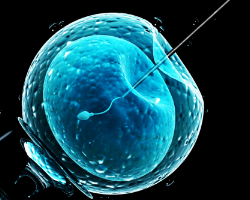
With in vitro fertilization (IVF), your doctor will retrieve your eggs, our embryology team will fertilize them in the lab, and your provider will place an embryo directly into your uterus. Because the embryo never travels through the fallopian tubes, IVF bypasses a tubal blockage completely.
IVF at FINO is often recommended when both tubes are blocked or when other fertility factors are part of the picture. For many people with tubal factor infertility, IVF offers an excellent, well-established path to a baby.
Can You Get Pregnant With Blocked Fallopian Tubes?
Yes, many people with a tubal blockage go on to become pregnant, and you have more than one way forward. If one tube is open, you may still conceive without fertility treatment. Surgery can reopen some blockages, and IVF works without the tubes at all.
Your fertility specialist will help you find the path that fits your body, your timeline, and your goals.
Questions to Ask Your Fertility Specialist
Bringing a few questions to your appointment can help you feel prepared and confident. Consider asking:
- Does an HSG make sense for me, and when should I schedule the test?
- Do my HSG results show a blockage in either tube, and where?
- Do surgery, IVF, or both fit my situation?
- How do my age and other test results shape my plan?
- How does my insurance apply to testing and treatment?
Learning about a tubal blockage can bring up a lot of feelings, and you don’t have to sort through them alone. We’re here for you every step of the way, from your first HSG to every decision about building your family.
Schedule a Fertility Evaluation at FINO
When you’re ready, request an appointment with our care team. Your first visit will be a chance to share your history, ask questions, and learn which tests make sense for you, with no pressure to decide anything right away. Whatever you learn, we’ll face it together and help you take the next step with hope.