(504) 454-2165


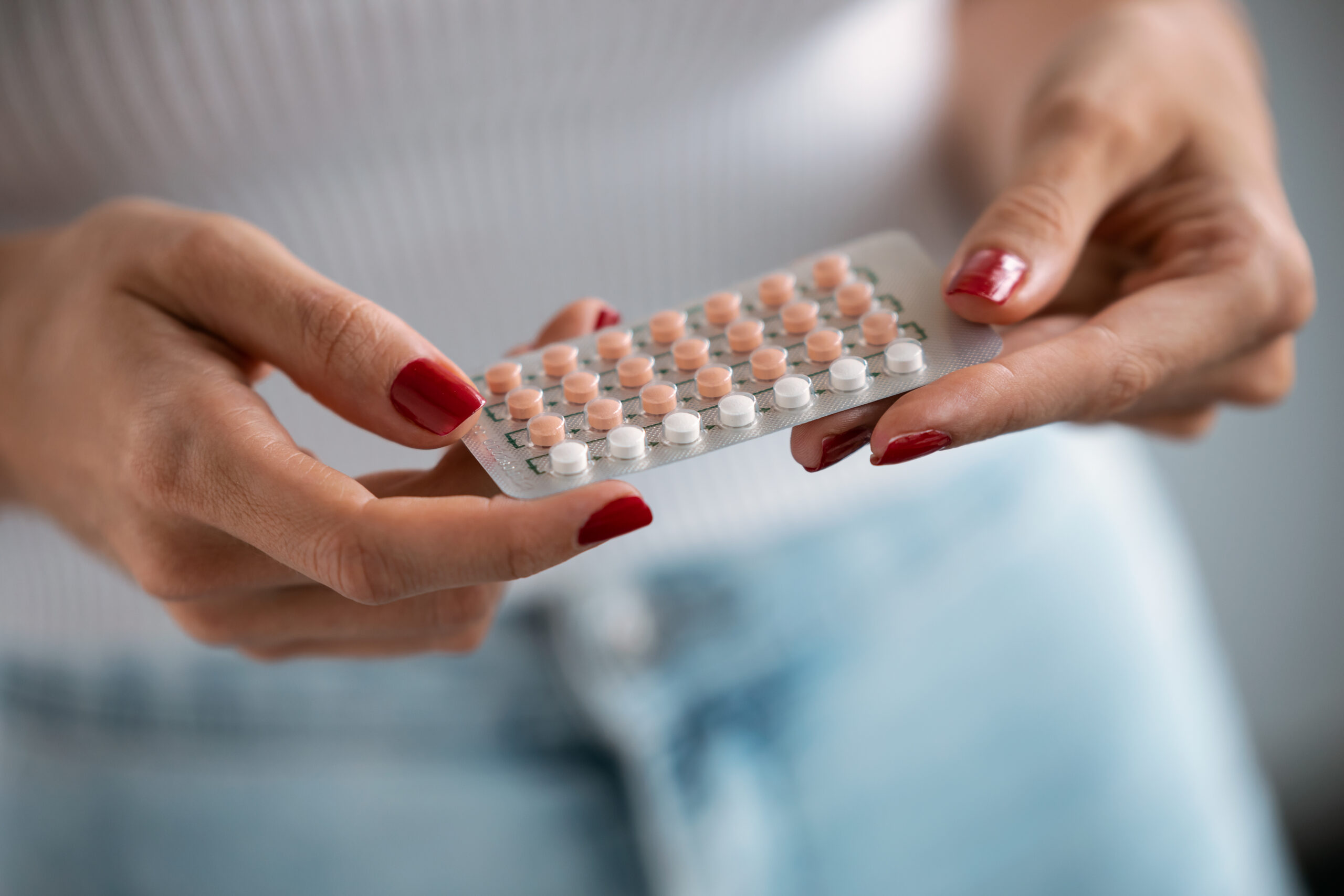
Can birth control make you infertile? For most birth control methods, no. For the overwhelming majority of methods, the research gives a clear, resounding no.
Birth control does not cause lasting fertility problems, and most changes your body goes through while using a method are reversible once you stop taking or using it.
We’ll walk through what the research shows for each birth control method, including the one method where getting your fertility back takes a bit more time.
Can Hormonal Birth Control Affect Your Fertility?
Hormonal birth control does not cause lasting fertility problems for the vast majority of people, regardless of which method you use, the pill, the hormonal IUD, the patch, the vaginal ring, the implant, or the injection.
Each method works a little differently, and we break down the research for each one below.
Oral Contraceptives
The pill has no lasting effect on your fertility.
Once you stop taking it, most people’s natural cycle resumes within a few months. A systematic review of 22 studies covering nearly 15,000 women found that about 83 percent of people became pregnant within 12 months of stopping hormonal contraception, a rate similar to the general population trying to conceive with no prior birth control use at all.
IUDs (Hormonal and Copper)
IUDs, both hormonal and copper, are among the most effective forms of contraception available, but there is one window to be aware of.
The CDC notes a small increased risk of pelvic inflammatory disease (PID), an infection that can affect fertility if left untreated, and that risk is primarily confined to the first three weeks after insertion, according to the CDC’s STI treatment guidelines.
Outside of that window, the risk returns to baseline, and providers screen for and treat PID quickly when it does occur, so there is no need to worry about it day to day.
Implants, Patches, and Vaginal Rings
Implants, patches, and vaginal rings have less research behind them than the pill, since fewer people use these methods.
According to the CDC, birth control pills remain one of the most commonly used methods, while the patch, ring, and injection combined account for a much smaller share of use.
Less research volume does not mean less evidence of safety. The studies that do exist show no lasting impact on fertility, consistent with ASRM’s findings on hormonal contraception.
Contraceptive Injections
The birth control shot, also known as the injection, is the one method where getting your fertility back takes longer than with other methods.
According to ASRM, it can take up to 12 months to start ovulating again after your last injection, and that longer window is simply part of how this particular method works. Fertility typically returns fully within that year, which is a reassuring, predictable range to plan around.
How Long Does It Take to Get Pregnant After Stopping Birth Control?
For most methods, your cycle and fertility return within one to two months after you stop, a short window in the context of family planning, and nothing to be concerned about.
The birth control shot is the outlier in this timeline, with the longer window we mentioned above.
If you’re ready to start trying to conceive, understanding your own cycle through fertility testing can give you a clearer picture of where you stand.
What If My Fertility Doesn’t Return to Normal?
Sometimes an underlying reproductive health condition predates or overlaps with someone’s birth control use.
Birth control did not cause that condition, though it may have been masking or managing the symptoms the whole time, which is why they can become noticeable once you stop taking it.
Underlying Conditions Birth Control Can Mask
Conditions like polycystic ovary syndrome (PCOS), now renamed polyendocrine metabolic ovarian syndrome (PMOS), and endometriosis are sometimes managed with birth control before someone receives an official diagnosis. PMOS is a common hormonal and metabolic condition that can cause irregular or missed ovulation.
Once you stop taking birth control, symptoms can resurface, and it can feel like birth control caused the problem when it had simply been holding symptoms at bay the whole time.
Our team can help you sort through what’s going on, and you are not expected to figure it out alone.
Age-related fertility decline is a factor for everyone, regardless of birth control history, and it happens gradually over time.
Whatever you’re noticing in your own body, you don’t have to figure it out alone. Our team is here to help you understand what’s going on and what your options look like.
Talk to a Fertility Specialist
Ready to talk it through? Reach out to FINO’s team, and we’ll help you understand what your body is telling you and what comes next. Request an appointment.